The Constitution
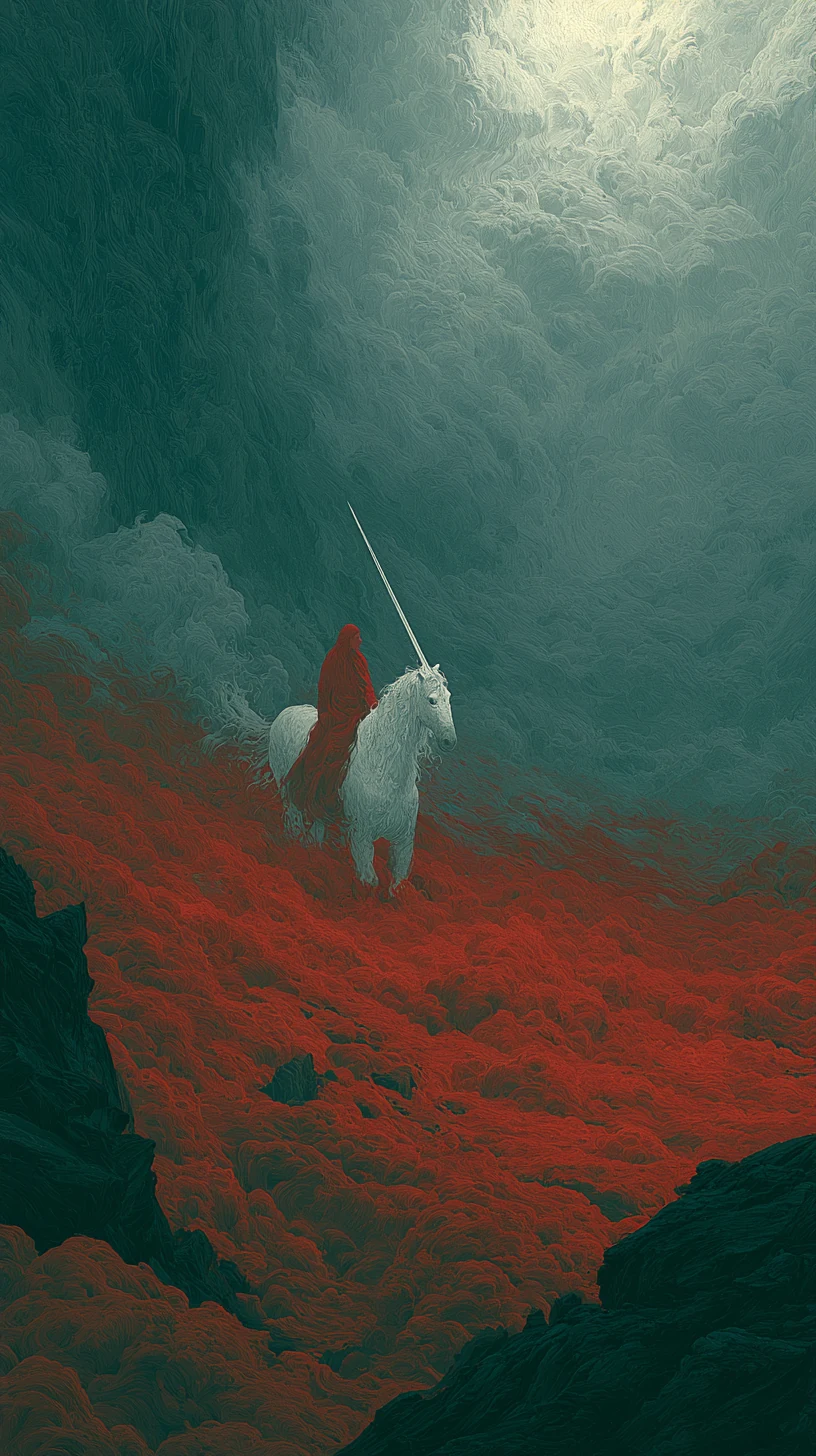
Motion that carries an edge. 天马, the star of movement and travel, joins or meets 擎羊, the blade. Motion bearing a weapon: the classics read this as the configuration of the campaigner — the one who builds achievement in hard, turbulent, far-off ground. War, frontier work, deployment into difficulty: the chart suits vocations that run outward into risk, where the reward is won by riding into the hard place rather than holding the safe one.
It is classically associated with the 午 palace, and it is a fierce configuration. 天马 wants to move; 擎羊 gives that movement a cutting edge. Together they make a person built for the campaign — outward-driving, risk-meeting, achievement won in motion and difficulty.
The configuration's two faces are stark: when it succeeds it confers real authority won in the field; when it fails it reads as injury. The reading is confirming 天马 meets 擎羊, the palace, and whether the chart is positioned to ride the edge or be cut by it.
What You See That Others Don't
You see the achievement waiting in the hard, far place. Where others avoid the turbulent ground and the risky deployment, you sense that this is exactly where your kind of success is won — out at the edge, in motion, in the difficulty others decline. The reading is constitutional. Motion carrying an edge draws you toward the campaign rather than the garrison.
You also carry a fierceness that thrives on the move. Stillness and safety leave you underused; it is the outward drive into risk that organizes your force. The blade on the moving horse is not a burden to you but a fit — you were built to ride into the hard place and build something there.
What Most People Get Wrong About You
They read your appetite for the hard, far ground as recklessness, your drive into risk as a death wish, your refusal of the safe post as instability. The reading meets the blade and the motion and assumes self-destruction.
马头带箭 is not someone courting harm. It is the campaigner — built to win achievement in turbulent, far-off ground, where motion carrying an edge is exactly the right instrument. The recklessness the world reads is the configuration positioned wrong, cut by the edge it should have ridden. Positioned right, the same fierceness wins real authority in the field. You are not seeking injury; you are built for the campaign, and the campaign, to those who prefer the safe post, looks like courting danger. The difference is whether you ride the edge or are cut by it.
The Pattern You Carry
The configuration runs as achievement when 天马 meets 擎羊 and the chart-owner is positioned to ride the edge — deployed into the hard, turbulent ground the configuration is built for, winning authority in the field through motion and risk met head-on. There the campaigner thrives.
The trap is being cut by the edge instead of riding it — the fierce, outward-driving force turned to injury when the chart is positioned wrong, forced to hold still where it should move, or driven into risk without the footing to win there. The work is to position the configuration in its element: to choose the campaign that suits it, to ride the edge deliberately rather than be cut by it, so the motion-with-a-blade builds authority rather than wounds.
Where This Shows Up
In work, you belong in the demanding, outward-facing vocations — the uniformed services, frontier and high-risk work, roles that deploy you into difficulty and reward the achievement won there. You do well where motion and edge are assets and poorly in safe, static posts that pin the campaigner in place. The configuration tends to mark people who build their standing in the hard field rather than the secure office.
In relationships, you bring intensity and a driving, protective fierceness — the one who rides into difficulty for what they care about. The same edge can read as too sharp, the constant motion as hard to settle with. The configuration's work is to ride the edge in service rather than against the bond — to let the campaigner's drive protect and provide rather than turning the blade inward, so the fierceness builds the relationship rather than cutting it.