The Constitution
There are people who have been building something for so long that what they are building has taken on a life of its own. Who started with a single tree and ended up with a forest, not because they planned it, but because they kept showing up and the growth compounded. Who carry the specific quality of something that has been accumulating quietly for a very long time.
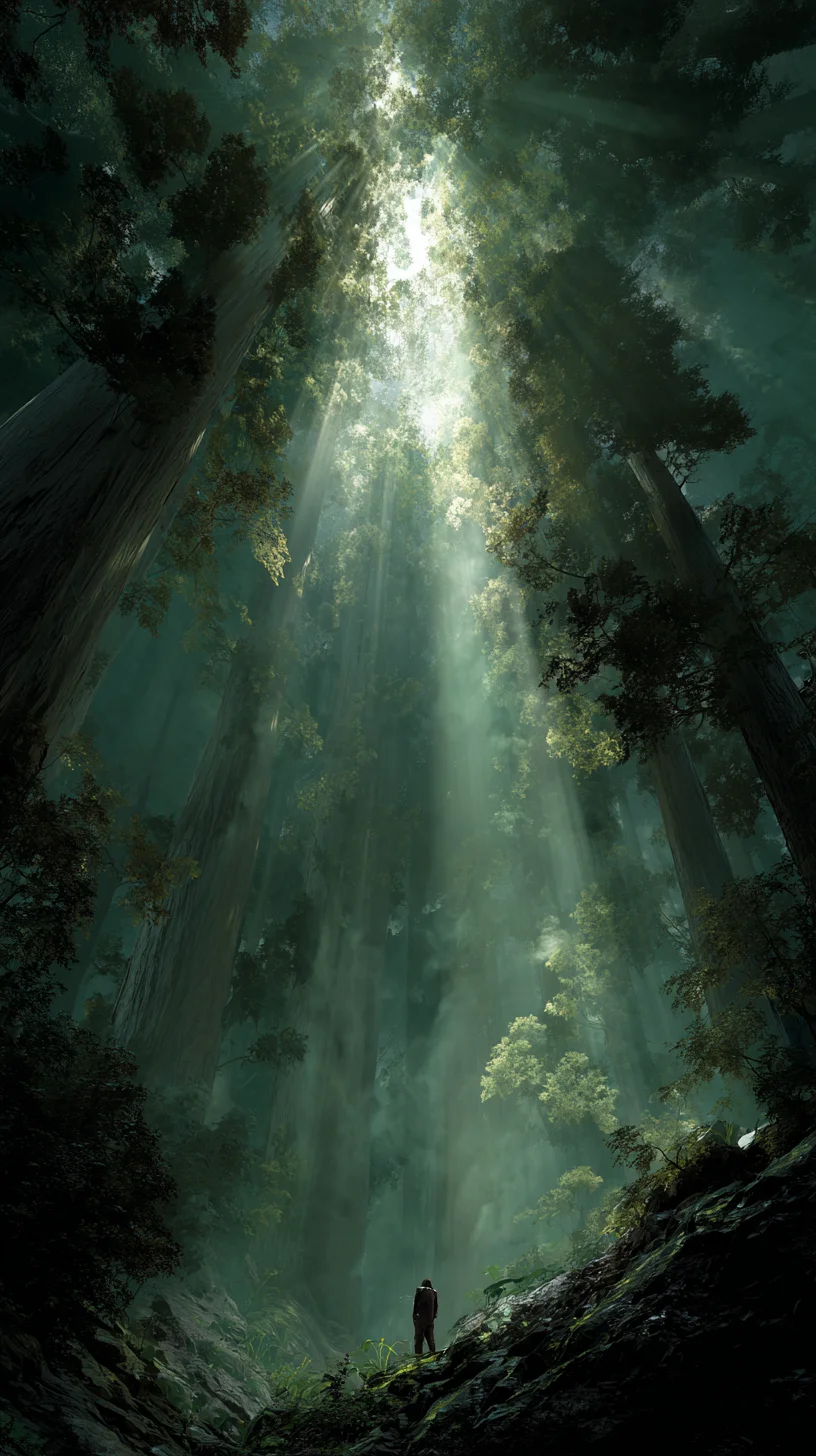
大林木 is Great Forest Wood. Not one tree: the forest. Not growth in progress: growth already arrived. The ancient grove that required decades to reach its current state and that, having reached it, has a presence and an ecology that no single tree could produce. This is the nayin of accumulated depth, collective strength, and the kind of wisdom that can only be earned by having been in growth for a very long time.
The specific quality of this constitution: you do not need to announce yourself. The forest does not require introduction. Its presence is the introduction. People who enter the grove understand immediately that they are in something that has been here longer than they have, that contains more than they can immediately see, that operates according to principles that preceded their arrival. This is what you carry.
What You See That Others Don't
You see the ecosystem. Not the individual elements: the relationships between them, the way they sustain each other, the invisible web of mutual dependency that makes the whole function. Where others see a collection of separate things, you see the system.
大林木 perceives interdependence. The forest knows that the health of the canopy depends on the health of the roots, that the roots depend on the fungi, that the fungi depend on the leaf litter, that the leaf litter depends on the canopy. You have this kind of systemic perception in everything you engage with. You see the connections that others miss because they are looking at the parts, not the whole.
The cost: systemic perception can make it difficult to act decisively on any single element without considering its implications for everything else. The forest cannot make a change to one part without affecting all the other parts. This is true and it is also, sometimes, what paralysis looks like from the inside.
What Most People Get Wrong About You
They think the slowness is hesitation. That because you consider everything before acting, because you move at the pace of the forest rather than the speed of the single tree, you are uncertain or overcautious.
大林木 is not hesitant. It is systemic. The forest does not change direction quickly because forests do not work on quick timescales. The decision that seems slow from the outside is often the decision that is accounting for ten times more variables than the person observing it can see. The old growth forest is not slow because it is weak. It is slow because it is vast.
They have called you overthinking, too deliberate, unable to move fast enough. What they were encountering was a constitution calibrated to the long arc of the forest, not the short arc of the individual season.
The Pattern You Carry
The ancient forest that has accumulated everything eventually must decide what to keep and what to release.
大林木 accumulates. The pattern: the depth that makes you extraordinary can also become weight. The accumulated knowledge, the accumulated relationships, the accumulated commitments and responsibilities: they compound into a forest that can become so dense that new light cannot reach the floor. The forest that never releases its old growth eventually stops making room for new growth.
The chart asks what you are releasing. Whether the ancient grove has made space for the new trees to grow. Whether the depth that took decades to build is being held in service of what is still growing, or whether it has become its own form of immobility.
Where This Shows Up
You are the one who knows the history. The institutional memory. The person who was there when things began and who understands, from that beginning, things about the current state that nobody who arrived later can fully grasp. Your depth is the organization's depth. Your understanding is the root system beneath everything visible.
In work: you belong in the contexts that require genuine depth and sustained presence. Not the startup where everything is new: the place that has accumulated enough complexity that someone who can hold the whole ecology is invaluable. You are the keeper of the forest.
In relationships: you love with the steadiness of something that has been in place for a long time. The person who has been in the forest long enough knows that the forest was there before them and will be there after. There is a specific peace in that relationship with permanence. The challenge is the density: the forest that has grown very thick can make it hard for new light to reach the places that need it.