The Constitution
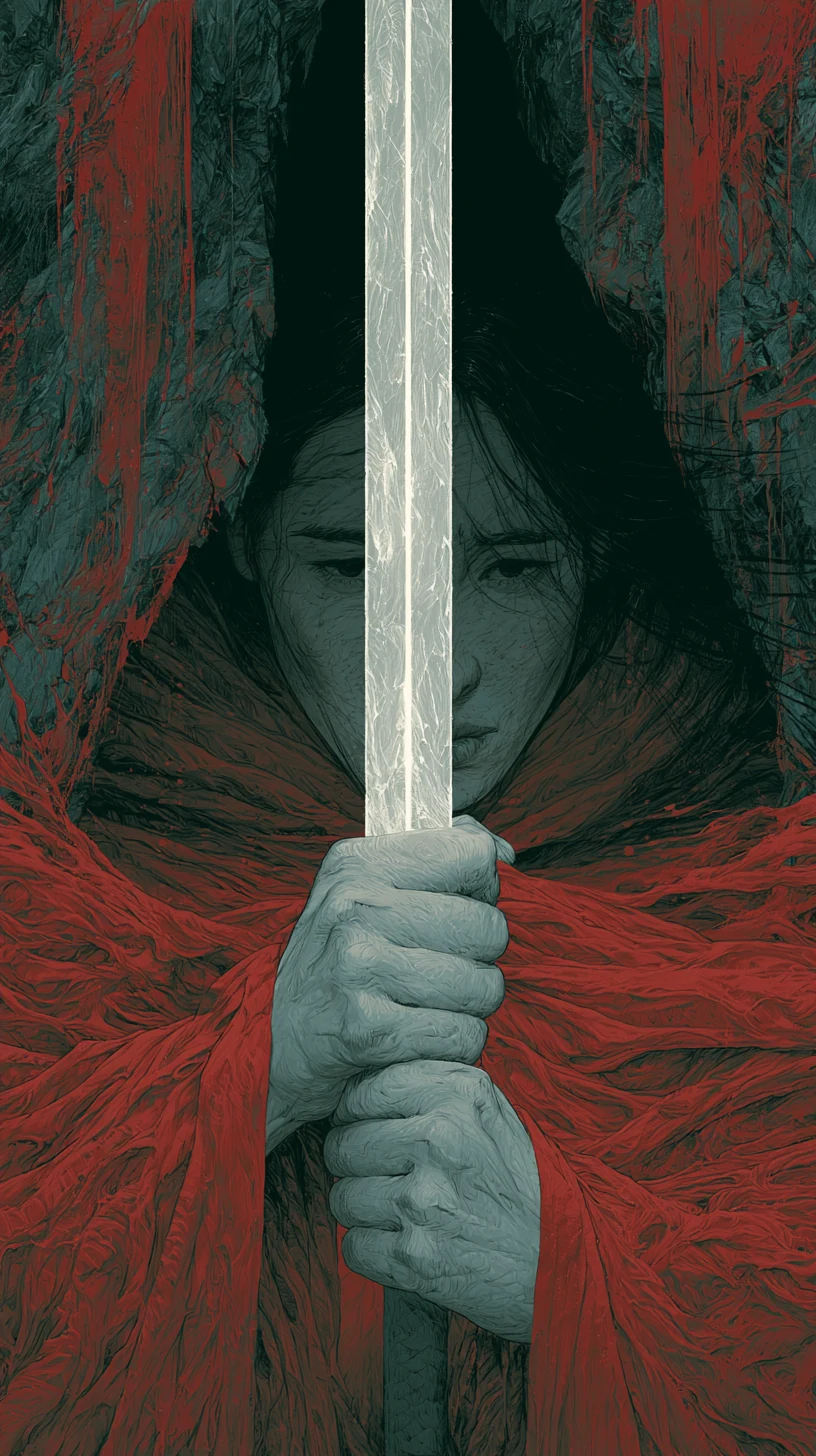
The self's own strength carried past usefulness into a blade. 阳刃 forms when the month branch is the day master's own peak position, 帝旺, and the day master is a yang stem (甲, 丙, 戊, 庚, 壬). The blade is the day master's strength taken past the point of usefulness into excess — the extreme edge of 劫财, force so abundant it becomes a weapon. Its energy is hard and forceful, and it cuts both ways.
The classics are clear on how to handle it. 阳刃 wants 七杀 to meet it — 刃杀相济, blade and killing balancing each other — and it accepts 正官 as a restraint. A blade matched to a killing is a chart of real authority: 阳刃驾杀, the configuration of commanders, where excess strength meets a worthy opposing force and the two make command.
But an unchecked blade — 刃旺无制 — turns on its owner and the world: the classics read a hard temper, injury, financial loss, and harm to close family. The reading is whether a 七杀 or 正官 is present to balance the blade, or whether it runs unchecked.
What You See That Others Don't
You see the edge in your own strength. Where others carry their force as simple capability, you feel the blade in yours — the strength so abundant it has become a weapon, hard and double-edged. The reading is constitutional. A 阳刃 chart knows its own excess force and the edge it carries.
You also sense that such strength needs a worthy opponent. The blade matched to a killing makes a commander; you feel, sometimes hard-won, that your excess force is best when it meets a real opposing pressure that balances it — that the edge wants something worthy to be turned against. That understanding of 刃杀相济 is the formation's gift.
What Most People Get Wrong About You
They read your force as aggression, your hard edge as a temper, your excess strength as danger to those around you. The reading meets the unchecked blade and assumes that is all there is.
阳刃格 is not someone simply hard or destructive. It is someone carrying excess strength as a blade — which, matched to a worthy killing, becomes the authority of a commander. The aggression the world reads is the unchecked version; balanced by 七杀 or restrained by 正官, the same blade makes command. You are not merely dangerous; you carry a double-edged force that becomes authority when matched to a worthy opposing pressure. An unchecked blade does cut its own — temper, loss, harm to kin — but the formation's height is the blade governed, turned to command rather than turned inward.
The Pattern You Carry
The configuration runs at its height as 阳刃驾杀 — the blade matched to a killing, excess strength meeting a worthy opposing force, the two balancing into the authority of a commander. 正官 restraining the blade also governs it. There the double-edged force becomes real command.
The trap is 刃旺无制 — the blade unchecked, no 七杀 to meet it and no 正官 to restrain it. Then the excess force turns on its owner and the world: a hard temper, injury, financial loss, harm to close family. The work is to find the worthy opposing force — to match the blade to a killing or restrain it with an officer, so the excess strength becomes command rather than cutting its own. The blade is not to be dulled but governed.
Where This Shows Up
In work, you belong where great force meets a worthy opposing pressure — demanding command, high-stakes fields where your excess strength is matched against a real adversary or structure and becomes authority. You do well where the blade is balanced by a worthy killing, and poorly where it runs unchecked with nothing to meet it. The configuration tends to mark commanders when governed and volatility when not.
In relationships, the unchecked blade is most costly — the classics name harm to close family among its dangers, the hard edge turning on those nearest. The configuration's work is to keep the blade governed in the bond — to match your force to worthy challenges outside the relationship rather than letting the excess edge cut those close to you, so the strength becomes protection rather than a blade turned inward.